Kansa massage is the traditional Ayurvedic practice of massaging the body and face with tools made of Kansa, the bronze alloy of copper and tin. It is an old, sensory ritual, and this guide describes what the tradition actually says about it, how it is practised today, and where honest curiosity ends and unproven claims begin. If you have searched for a Kansa massage study, the fair answer is that this is a practice rooted in classical custom and modern interest, not in clinical proof, and we will treat it that way throughout.
What Kansa massage is
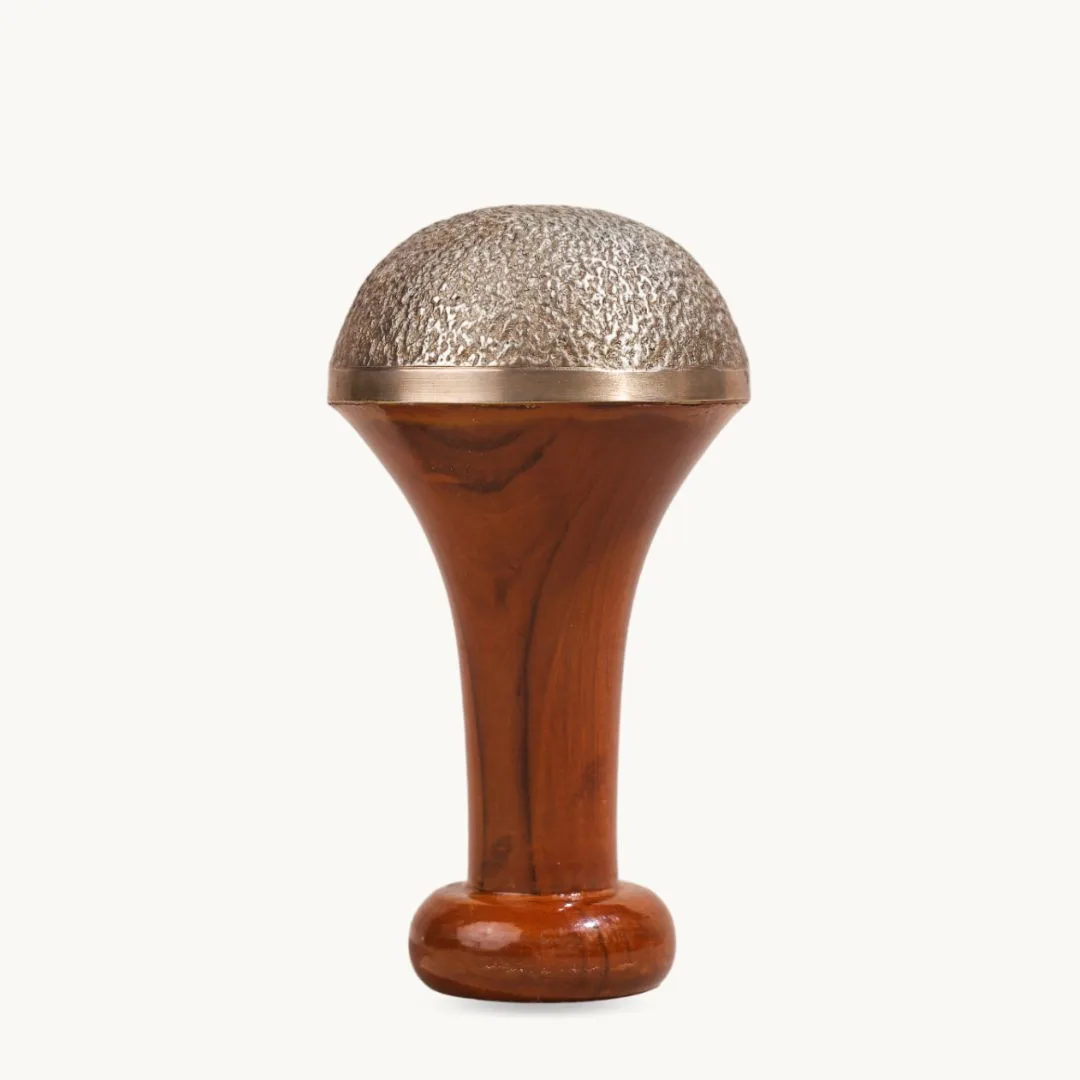
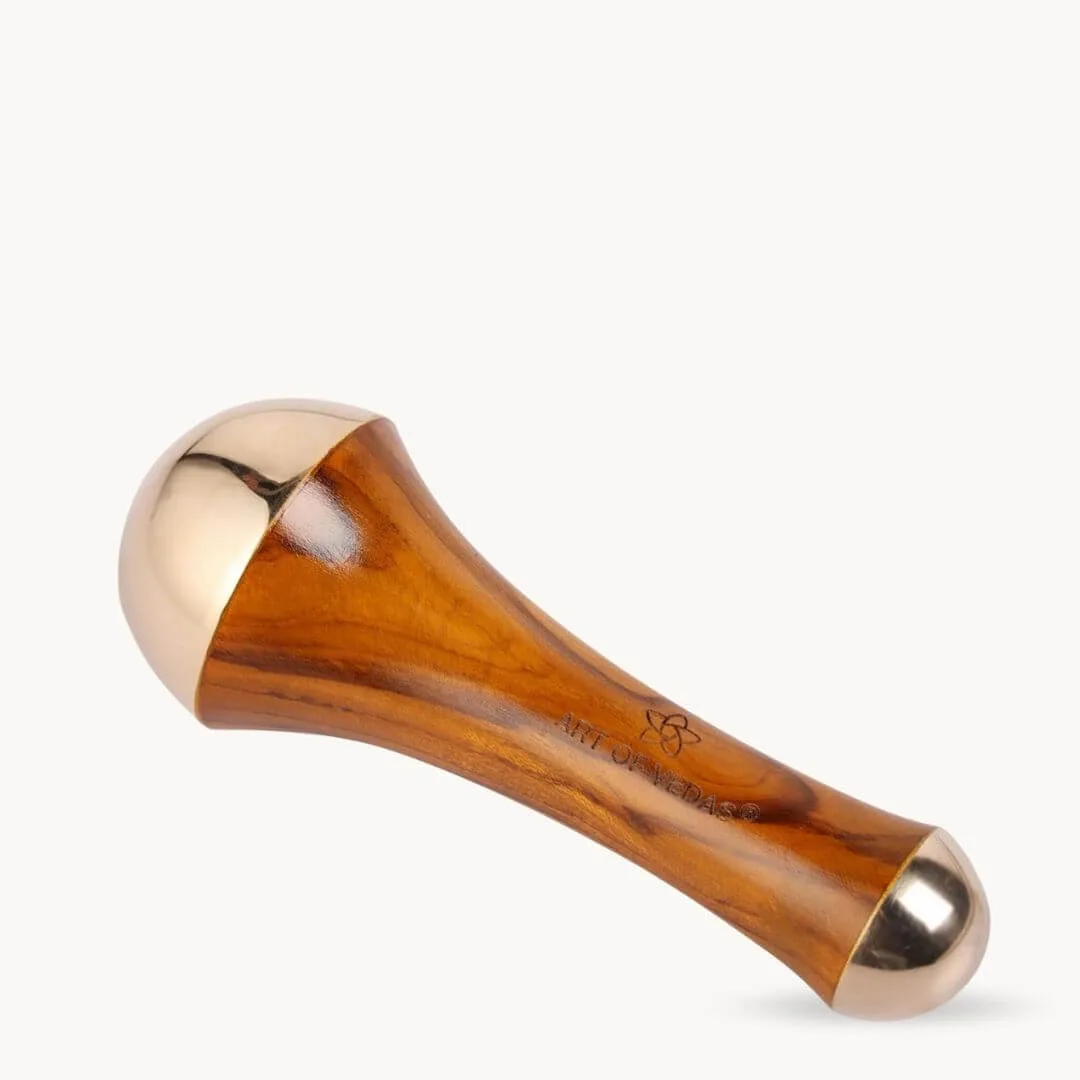
At its simplest, Kansa massage is oil massage performed with a bronze tool rather than the hands alone. A Kansa wand is drawn over oiled skin on the face and body, and a Kansa vatki bowl is worked over the soles of the feet. The practice belongs to the wider family of Abhyanga, the daily oil massage that Ayurveda places at the heart of self-care. The bronze adds a particular warmth and weight to the ritual, letting the tool continue a stroke the hand has begun.
What the tradition describes
Ayurveda values bronze as a material and treats oil massage as a nourishing, grounding daily habit. Within that tradition, Kansa tools are associated with a sense of calm, with the care of the feet before sleep, and with gentle work over the Marma points, the traditional vital points of the body. These are descriptions of ritual and sensory experience passed down through practice. Our guide to Kansa metal in Ayurveda explores how the tradition regards the bronze itself, and why each metal was given a role in classical thought.
What remains folk practice
It is worth being clear and honest. Much of what is said about Kansa massage online reaches beyond what tradition or evidence supports. You will see bold statements about the tool changing the body in measurable ways; these are not established, and Art of Vedas does not make them. What we can say is that many people find the ritual calming, that the tradition holds it in regard, and that a slow massage with warm oil is a pleasant, grounding thing to do. We prefer to describe the practice truthfully rather than to invent outcomes for it.
- A warming, grounding feel that many enjoy at the start or close of the day.
- A slower, more deliberate pace than massaging with the hands alone.
- A ritual that pairs naturally with the daily oiling of Abhyanga.
- A sensory pause that invites a few unhurried, screen free minutes.
How Kansa massage is practised today
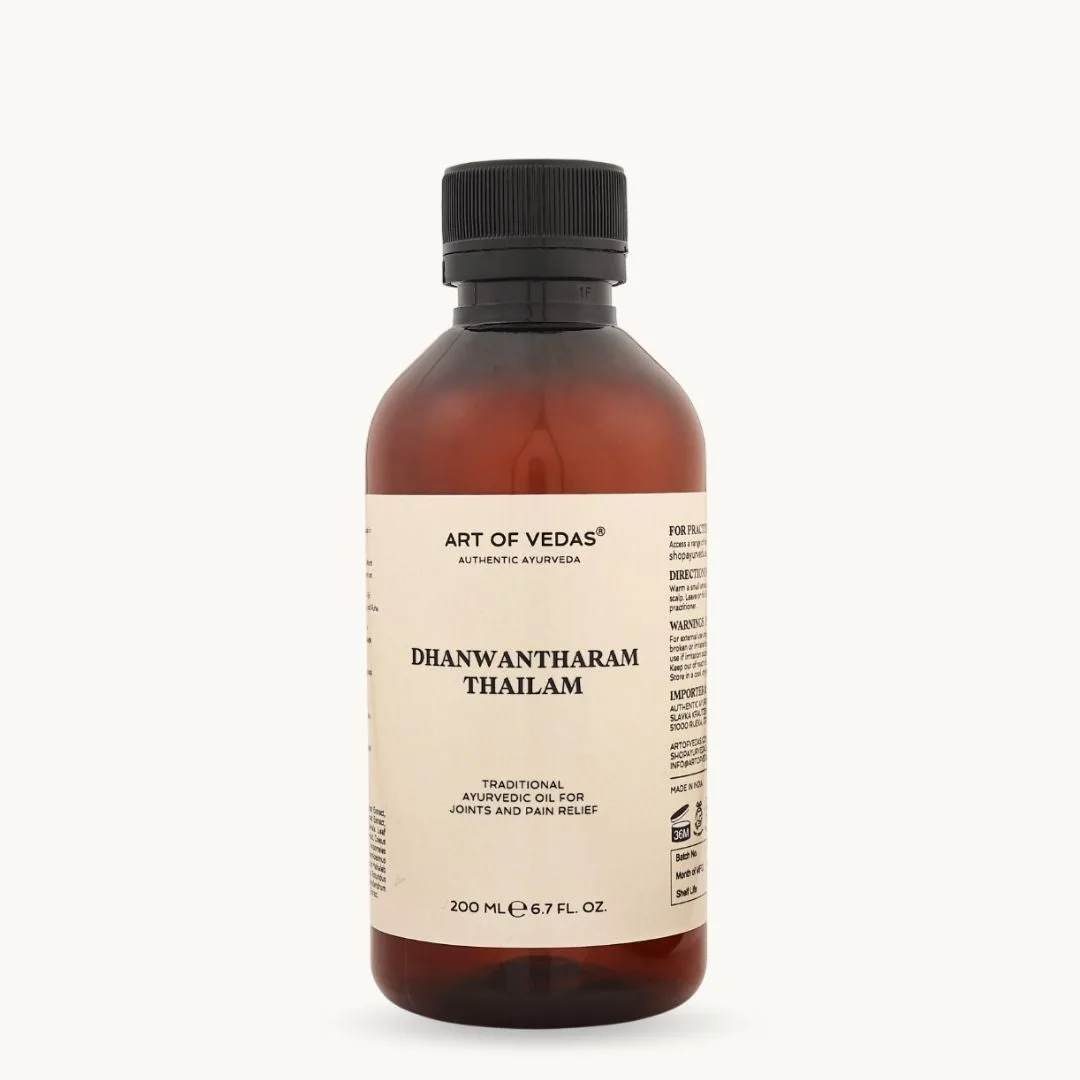
In a modern home routine, Kansa massage usually means a few minutes with a wand on the face after cleansing, or a foot ritual with a vatki in the evening. Warm oil is always the starting point, so the bronze glides rather than drags. The strokes are slow and even, the pressure light. A faint grey trace from the metal is normal and wipes away. For the practical method, our introduction to the Kansa wand and the wider Kansa wand benefits guide set out how tradition frames the ritual without overstating it.
On the material itself, Kansa is a living surface. The bronze is buffed smooth for use, yet it will darken into a natural patina over time, which the tradition simply accepts as part of the tool's life. Cared for with a wipe and a dry after each session, a Kansa tool becomes a companion to a long standing practice, valued for the ritual it holds rather than for any promise it cannot keep.
Frequently Asked Questions
Is there a scientific study on Kansa massage?
There is no established body of clinical evidence, and we do not cite invented research. Kansa massage is a traditional ritual valued in Ayurveda, and it is honest to describe it that way.
What does Kansa massage actually involve?
Massaging oiled skin with a bronze tool, a wand on the face and body or a vatki bowl on the feet, in slow, gentle strokes.
Where does the practice come from?
It grows out of Abhyanga, the Ayurvedic tradition of daily oil massage, combined with the long regard Ayurveda holds for bronze.
Is it a treatment for anything?
No. It is a sensory, grounding self-care ritual. We describe it as tradition does, without medical claims.
How often is Kansa massage done?
Many practise a few minutes daily, on the face after cleansing or on the feet before sleep.
For external use only. Not a substitute for professional medical advice.