Three tools dominate the world of traditional self-massage: raw silk gloves for Garshana, the bronze Kansa wand, and the stone edge known as gua sha. Each works the skin in a different way, each belongs to a different moment of the day and season, and none of them is universally "best". This chooser from Art of Vedas sets the three side by side so you can decide by season, skin type and intention rather than by fashion.
Three Tools, Three Textures
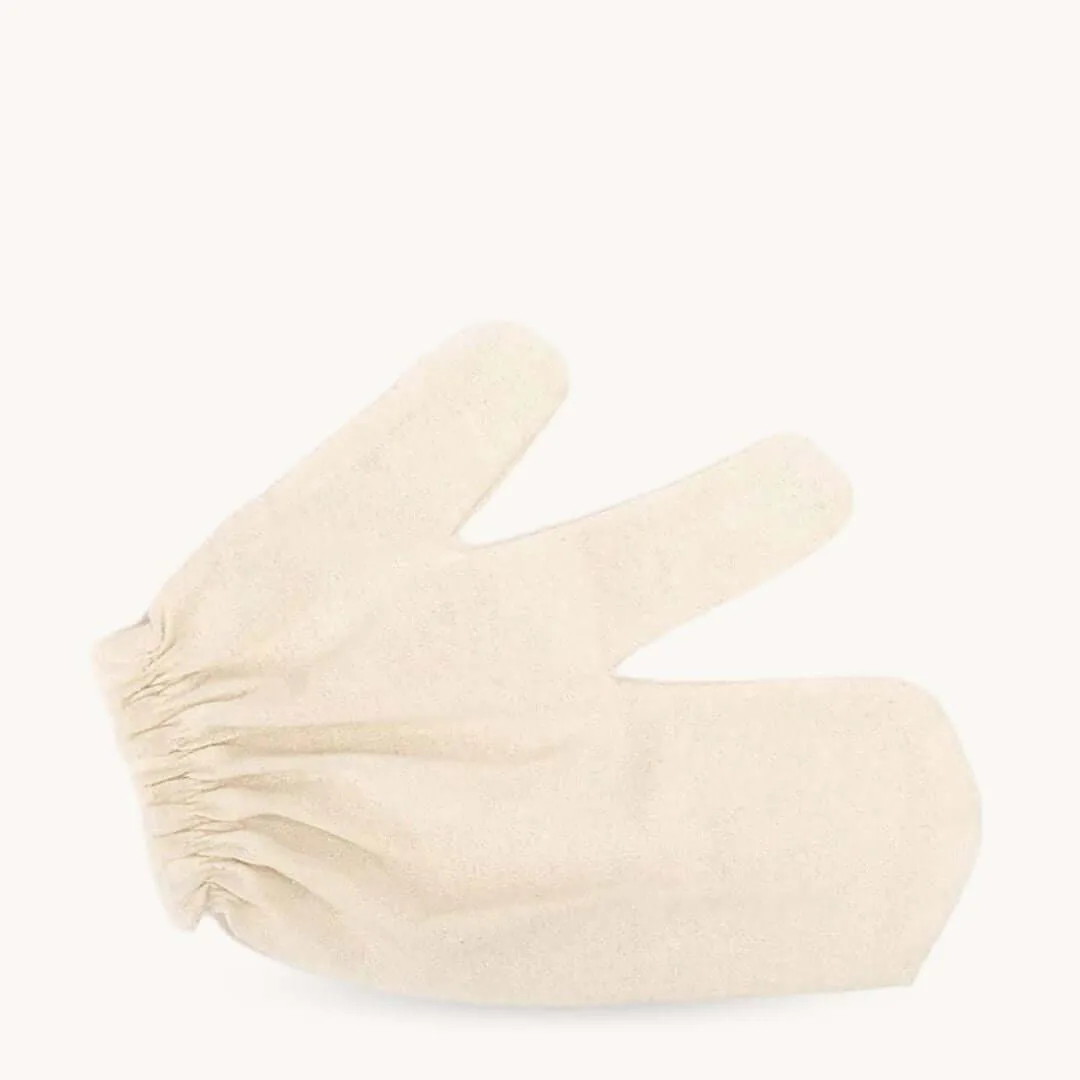
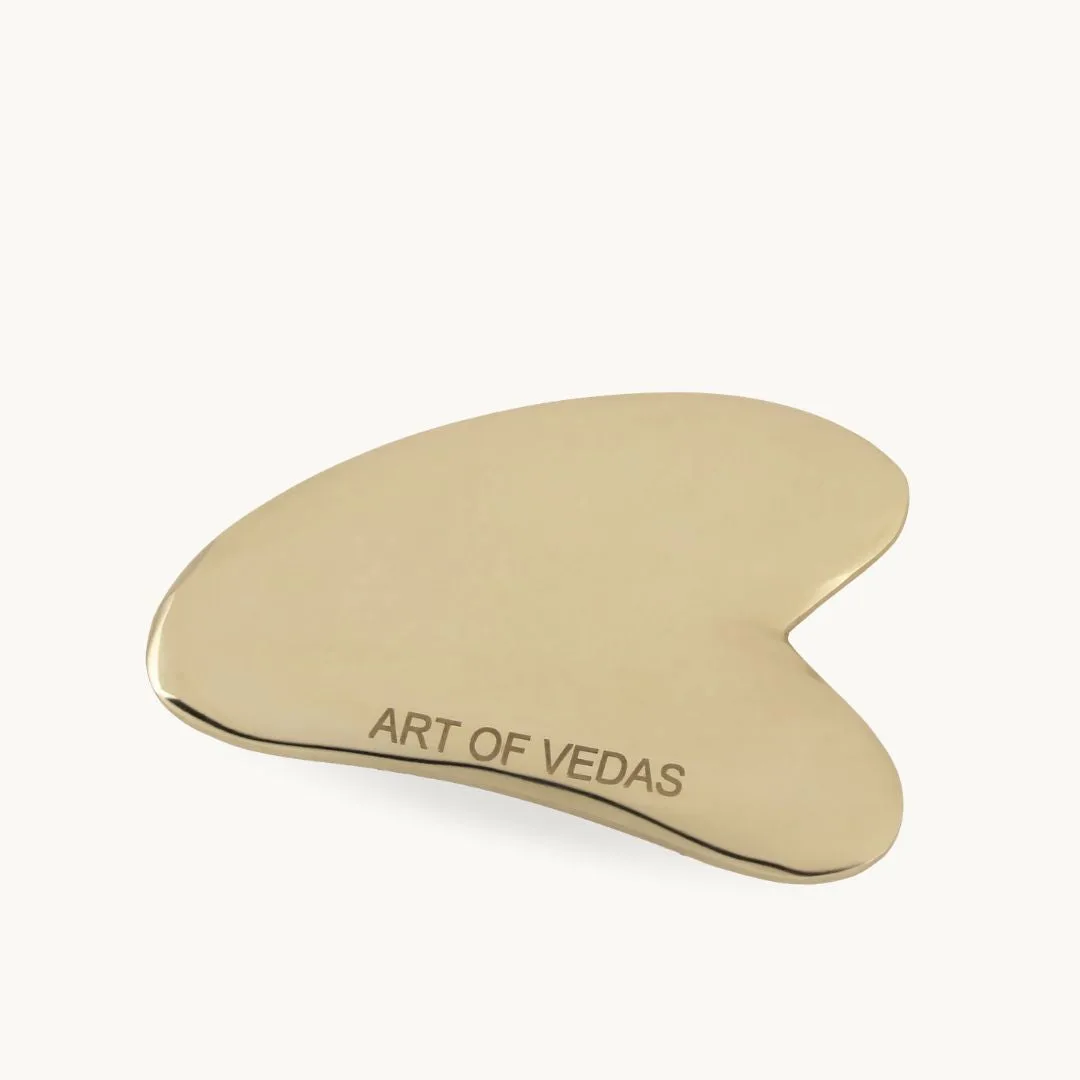
Garshana gloves are woven from raw silk and used on completely dry skin. Their work is friction: brisk, light and warming, traditionally placed at the start of the day. The Kansa wand is a polished bronze dome on a wooden handle, and bronze is an alloy of copper and tin that tradition holds in particular regard. It is always used over oil, in slow strokes across the face or body. Gua sha is a smooth-edged stone tool that entered European routines from East Asian practice rather than from the Ayurvedic texts; used over oil, its edge suits precise, unhurried work along the jaw, cheeks and neck. Our note on Kansa and gua sha facial tools looks at that pairing in detail.
Each tool earns its place for a different reason:
- Garshana gloves give a warming, wide-awake start to cool mornings and cover the whole body in minutes.
- The Kansa wand brings a calm, cooling glide to an oiled face or body and asks you to slow down.
- Gua sha offers precise edge work for the jawline and cheeks at the end of a long day.
Choose by Season and Time of Day
Season is the simplest filter. The damp, cool Kapha months of late winter and spring are Garshana territory: dry friction before the morning shower. The Kansa wand is a year-round companion, welcome in a bright morning routine and equally at home in the evening. The stone edge tends to shine in warmer months and in the evening, when a cool tool over face oil feels most agreeable. As a rule of thumb: silk in the morning, bronze at any hour, stone in the evening.
Choose by Skin Type and Dosha
Skin that runs dry and delicate, the Vata picture, does best with very little dry friction; keep Garshana brief and follow immediately with oil, or favour the wand over oil instead. Warm, reactive, Pitta-leaning skin appreciates the cool touch of stone or bronze over a generous layer of oil, with light pressure. Skin and constitution of the steadier Kapha type welcome the most vigorous option, which is exactly what raw silk provides. If you are unsure of your type, begin with the gentlest tool for your goal and observe how your skin answers.
Choose by Goal
If your aim is a brisk start and a whole-body practice, choose the gloves. If your aim is a settled evening face ritual with oil, choose the bronze dome. If your aim is focused work along the jaw and cheekbones, choose the edge. For the full landscape of tools beyond these three, from bronze bowls to combs, our complete guide to Ayurvedic self-massage tools maps every family.
Can the Three Be Combined?
Comfortably, as long as the order respects the materials. Dry friction always comes first and never lands on oiled skin, so Garshana opens the morning. Oil-based tool work follows or stands alone: the wand in a daily routine, the stone edge once or twice a week. A sensible week might hold silk gloves on cool mornings, the Kansa wand most evenings and gua sha on two of them. Full instructions for the glove technique live in our Garshana dry brushing guide.
Frequently Asked Questions
Which single tool should a beginner buy first?
Decide by territory. For a face-led routine the Kansa wand is the classical choice; for a body-led, morning-led practice the Garshana gloves are the easier habit to keep.
Can gua sha be used without oil?
No. The edge needs a well-oiled surface to glide; on dry skin it drags. The same is true of the Kansa wand. Only Garshana is a dry practice.
Is the Kansa wand used on dry skin?
It is always used over oil, whether a face oil in the evening or a body oil after the morning gloves. Bronze over dry skin feels scratchy and quickly leaves the stroke uneven.
Is gua sha an Ayurvedic tool?
Historically no; it comes from East Asian practice. It sits comfortably alongside Ayurvedic routines when used over oil, but the classical Ayurvedic tools are silk and bronze.
Do I need all three?
No. Most people are well served by one tool chosen for their main goal. The three only combine well for those who genuinely enjoy a fuller weekly ritual.
For external use only. Not a substitute for professional medical advice.