

Ayurvedic Massage Types: A Guide to Classical Treatments
The term "Ayurvedic massage" covers a remarkably diverse range of treatments — from the gentle daily self-massage of Abhyanga to the intensive oil-pouring therapies of Pizhichil, from dry powder massage to herbal bolus applications. Each treatment has specific clinical indications, Dosha targets, and therapeutic mechanisms. Understanding what each one involves — and what it is designed to address — helps both practitioners and patients choose the most appropriate treatment.
Oil-Based Treatments
Abhyanga — Full-Body Oil Massage
The most fundamental Ayurvedic treatment. Warm medicated oil is applied to the entire body using long, rhythmic strokes along the direction of body hair. Classical texts describe Abhyanga as nourishing the tissues, calming the nervous system, promoting circulation, supporting lymphatic drainage, and creating a protective oil layer on the skin.
Indications: Universal — suitable for all constitutions. Particularly beneficial for Vata conditions: dryness, anxiety, nervous exhaustion, insomnia, musculoskeletal stiffness. Adjust oil selection for Dosha: sesame-based for Vata, coconut-based for Pitta, lighter oils for Kapha.
Duration: 45-75 minutes (professional), 15-20 minutes (self-massage).
Frequency: Daily for self-massage; weekly to fortnightly for professional treatments.
Shirodhara — Third-Eye Oil Stream
A continuous stream of warm medicated oil poured in a rhythmic, oscillating pattern across the forehead and third eye region. The Shirodhara guide covers this treatment in depth. The sustained, rhythmic oil flow produces a profound nervous system relaxation that is unlike any other therapeutic modality.
Indications: Insomnia, anxiety, mental agitation, headaches, nervous system conditions, stress-related symptoms. Particularly effective for Vata and Pitta mental disturbance.
Duration: 30-45 minutes of continuous oil flow, typically preceded by head and face massage.
Pizhichil — Oil Bath
One of the most luxurious and intensive Ayurvedic treatments. Two or more therapists simultaneously squeeze warm medicated oil from cloths over the patient's entire body in continuous rhythmic streams while performing gentle massage. The patient essentially lies in a bath of warm, flowing herbal oil for the treatment duration.
Indications: Severe Vata conditions — degenerative musculoskeletal conditions, nervous system depletion, paralysis recovery support. Also used as a premium wellness treatment for its deeply nourishing, rejuvenating quality.
Duration: 45-60 minutes. Requires 2-4 litres of warm oil.
Kati Basti / Janu Basti / Greeva Basti — Localised Oil Pooling
A ring of dough is placed around a specific area (lower back, knee, or neck respectively) to create a reservoir, which is then filled with warm medicated oil. The oil remains pooled over the affected area for 20-30 minutes, providing concentrated, sustained therapeutic contact.
Indications: Localised Vata conditions — lower back stiffness (Kati Basti), knee joint concerns (Janu Basti), cervical tension (Greeva Basti).
Dry and Powder-Based Treatments
Udvartanam — Herbal Powder Massage
Vigorous massage using dry herbal powders (typically Triphala, Kolakulathadi, or other Kapha-reducing formulations) applied against the direction of body hair. The friction, dryness, and herbal action combine to reduce Kapha accumulation, stimulate circulation, and promote lymphatic drainage.
Indications: Kapha conditions — excess weight, sluggish circulation, cellulite, fluid retention, Kapha-type skin congestion. Contraindicated for Vata-dominant individuals where the drying, friction quality would aggravate.
Duration: 30-45 minutes.
Garshana — Dry Silk Glove Massage
A lighter dry massage using silk or wool gloves, applied in brisk strokes toward the heart. More gentle than Udvartanam, Garshana stimulates circulation and lymphatic flow without the intense friction of powder massage.
Indications: Pre-Abhyanga preparation for Kapha types. General lymphatic stimulation. Suitable for those who find Udvartanam too intense.
Bolus and Compress Treatments
Pinda Sweda (Kizhi) — Herbal Bolus Massage
Warm herbal boluses — fabric bundles filled with medicated rice, herbal powders, leaves, or sand — are pressed, rolled, and tapped across the body. The combination of heat, herbal action, and mechanical pressure provides simultaneous Swedana (sudation) and localised therapeutic delivery. Different fillings produce different effects: Navara Kizhi (rice bolus) for nourishing; Podikizhi (powder bolus) for pain relief; Elakizhi (leaf bolus) for Vata-Kapha conditions.
Indications: Musculoskeletal stiffness, joint concerns, muscle tension, Vata-Kapha conditions. Particularly effective as a Purva Karma (preparatory) treatment before Panchakarma.
Duration: 45-60 minutes.
Facial and Head Treatments
Mukha Abhyanga — Ayurvedic Facial Massage
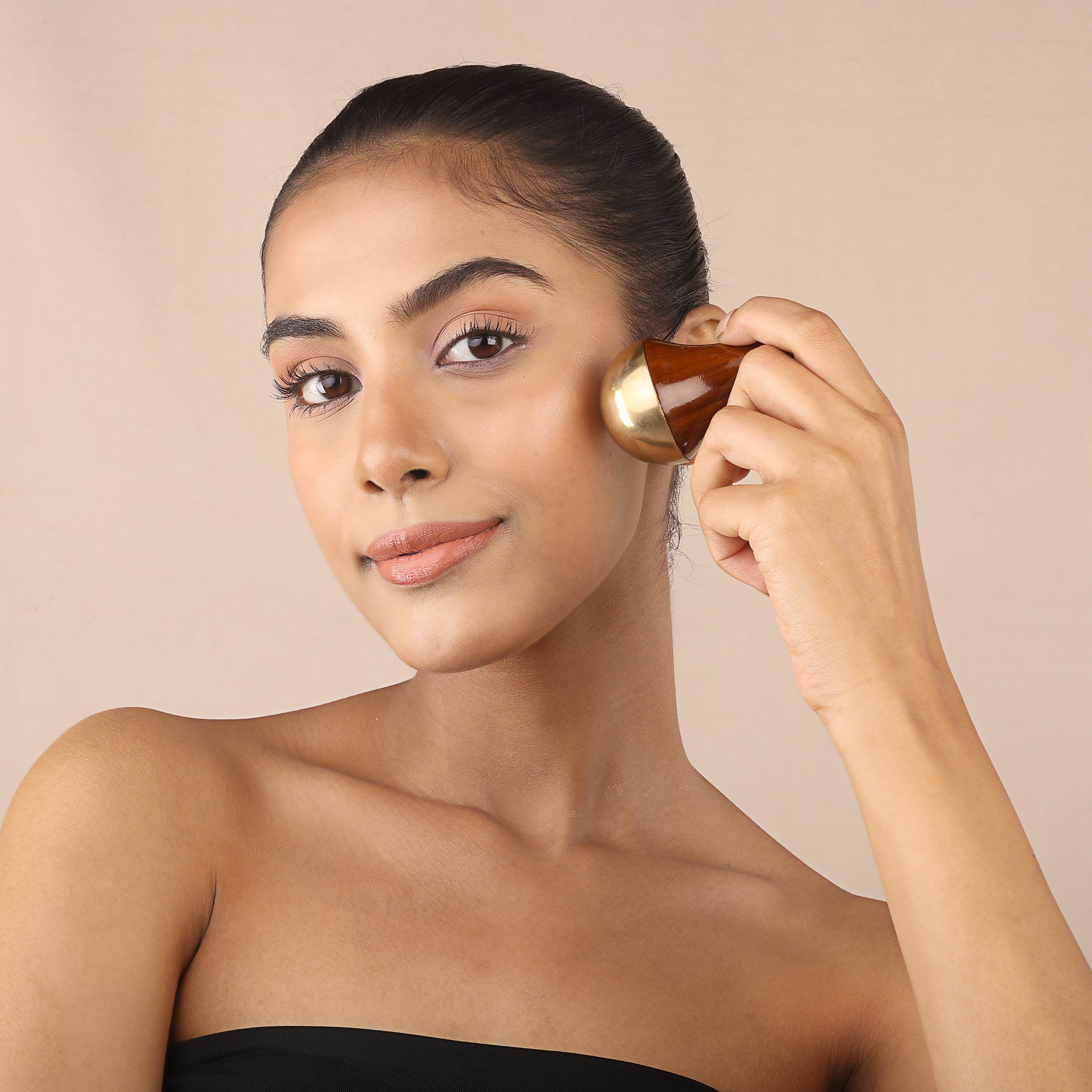
Classical facial massage using herbal face oils (Kumkumadi, Eladi) with specific stroke patterns that support lymphatic drainage, facial muscle tone, and Marma point stimulation. The Kansa wand adds traditional metal-therapy benefits.
Shiro Abhyanga — Head Massage
Warm oil applied to the scalp and head with specific massage techniques targeting the Marma points of the head. Often performed as a standalone treatment or as part of a comprehensive Abhyanga session.
Choosing the Right Treatment
The treatment selection depends on the patient's Dosha pattern, the specific condition being addressed, and the treatment context (standalone session, Panchakarma preparation, or wellness programme). The professional oils guide covers oil selection for each treatment type.
For personalised treatment recommendations, an Ayurvedic consultation determines which combination of treatments will most effectively address your specific needs.
Educational guide to Ayurvedic treatment types. Professional treatments should be administered by trained practitioners.


